
Blog
 Family Businesses often start with the best intentions. Someone has a great idea, it’s shared and over time develops. Family members pitch in, and, with commitment and hard work, to everyone’s delight, pride, and joy, it takes off! Congratulations if that is your experience!
In this early stage, on the wave of excitement, Business structure and frameworks are often less formal, even casual. Arrangements are formed on ‘we are family’ and that is enough to tie the bonds and loyalty of doing the right thing by all.
This may work well to begin, but as the operation grows, the Business and members can face challenges and issues they didn’t anticipate. Does that sound familiar to you?
Consider the following scenarios.
Scenario 1: Mary buys into a local ‘gift shop’. This is something she has always wanted to do, operate her own small Business. She loves trinkets and treasures, retro design and stocks that little gift to suit every occasion. Mary, with her family, husband Bill and daughter Amy, have invested their time and money. Mary manages and runs the Business. Everything is going well, and everyone is happy!
Scenario 2: Same situation.

-
ATO General interest charges are no longer tax-deductible.
From 1 July 2025, interest charged by the ATO for late payments or underpayments will no longer be tax deductible.
-
Super Guarantee (SG), from 1 July 2025, will increase to 12%.
Message from the ATO. ‘The 12% rate will need to be applied for all salary and wages paid to eligible workers on and after 1 July. This is even if some or all of the pay period it relates to is before 1 July. This is the final scheduled increase’.
Don’t hesitate, contact Blackburn Accounting if you have any questions or concerns regarding these changes or enquiries about other taxation matters.
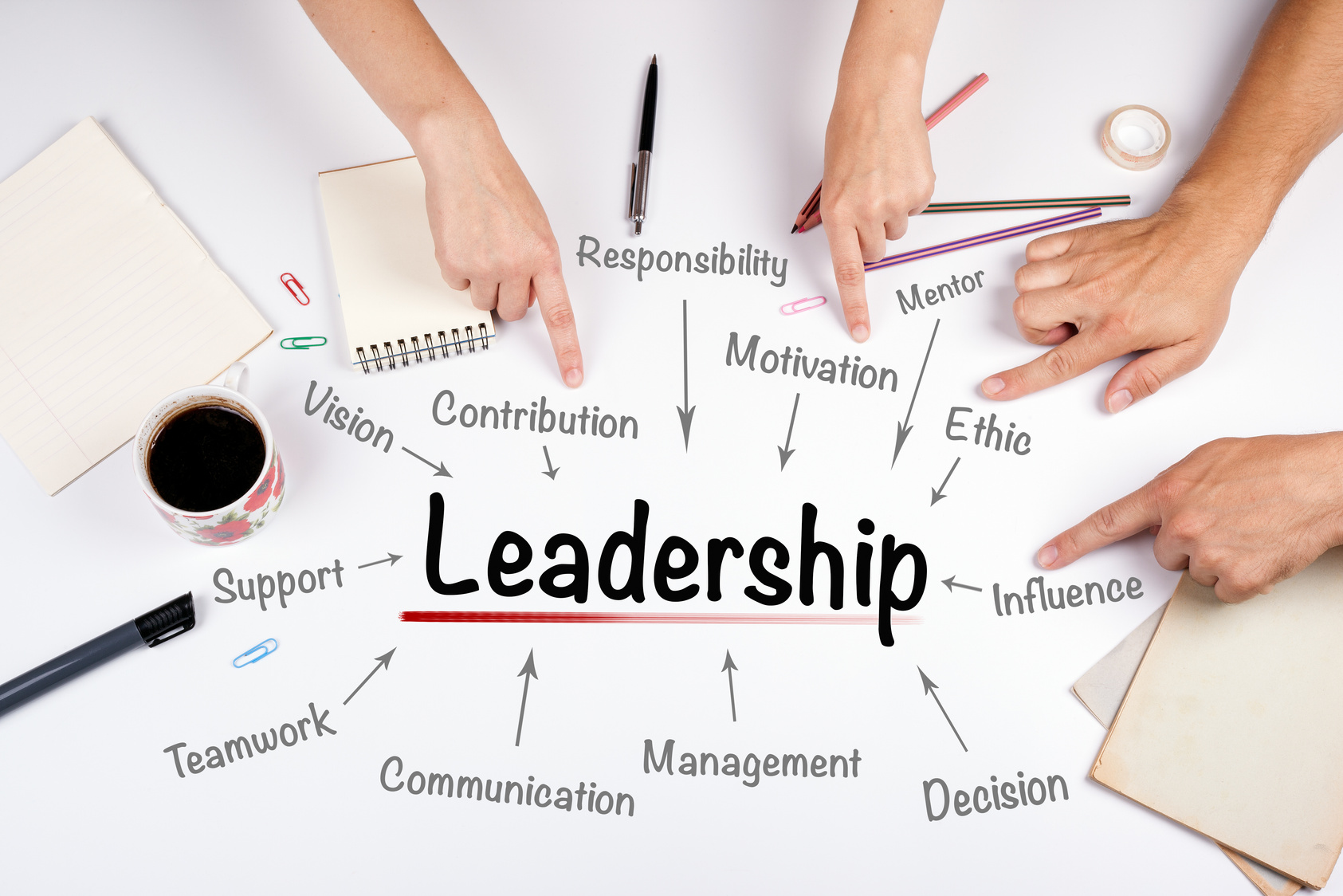 How often have you acknowledged and even praised the qualities of a ‘good’ Leader? You may be one yourself. If so, you will recognise the following attributes.
Good Leaders lead by example, inspiring and motivating their Team with their words, actions and behaviours. They are team-oriented, proactively developing and empowering their staff. This collaborative leadership builds trust, fosters growth, and produces positive results. Integrity and organisational transparency are also characteristics of good leaders.
On the other hand, poor Leaders are bad communicators, lack accountability and have unrealistic vision. Without clear direction, focus, or purpose, they fail themselves and the Team. Poor Leaders make poor decisions, often blaming others for their mistakes. Micromanagement, inflexibility and favouritism are also features of poor leadership.
Example: Good Leadership
Belief, conviction and willingness to take risks are traits of good leadership demonstrated by Maile Carnegie, Managing Director, Google Australia. Anticipating, striving for change and development are key to this role, which she fills with enthusiasm. She is taking the initiative to drive Google forward into the future. The future she believes, is what you make of it and not simply accepting what might fall your way. With these qualities, Maile is considered one of the best bosses to work.
David Gonski acknowledged for his report on educational reform, is also one of Australia’s most prominent businessmen and philanthropists.

End of the Financial Year! Why is it a great time?
It’s an opportunity to take stock of your Business and personal life. A time to reflect, look at what has and hasn’t been achieved, realign targets and reset your goals for the coming year.
Running a Business! What do you want to achieve? More importantly, how will you accomplish it?
Think smart, strategically, and take the following 5 simple Steps to reposition your Business for the year ahead.
-
Undertake a Business Health-Check- This includes review, assessment and evaluation of Business performance in key areas over the past 12 months. For example,
-
Products and Services. Did these meet targets and expectations, yours and customers? What’s performing and what’s not!
-
Financial goals. Is your cash-flow flowing, profit margins healthy, and expenses to budget?
-
Debts. Plan, monitor and carefully manage e.g. factor in tax obligations.
-
Get paid faster by streamlining receivables with automated invoicing and payment systems.
-
Cut unnecessary costs. Look at waste, trim and explore better deals with suppliers. Examine utilities costs, insurance, energy and stock inventory. Is there a capacity for savings?
-
How’s your bottom line? Examine your profit and loss statements to understand your Business's financial standing. Healthy bottom line, healthy Business!
-
Refresh Business Goals –
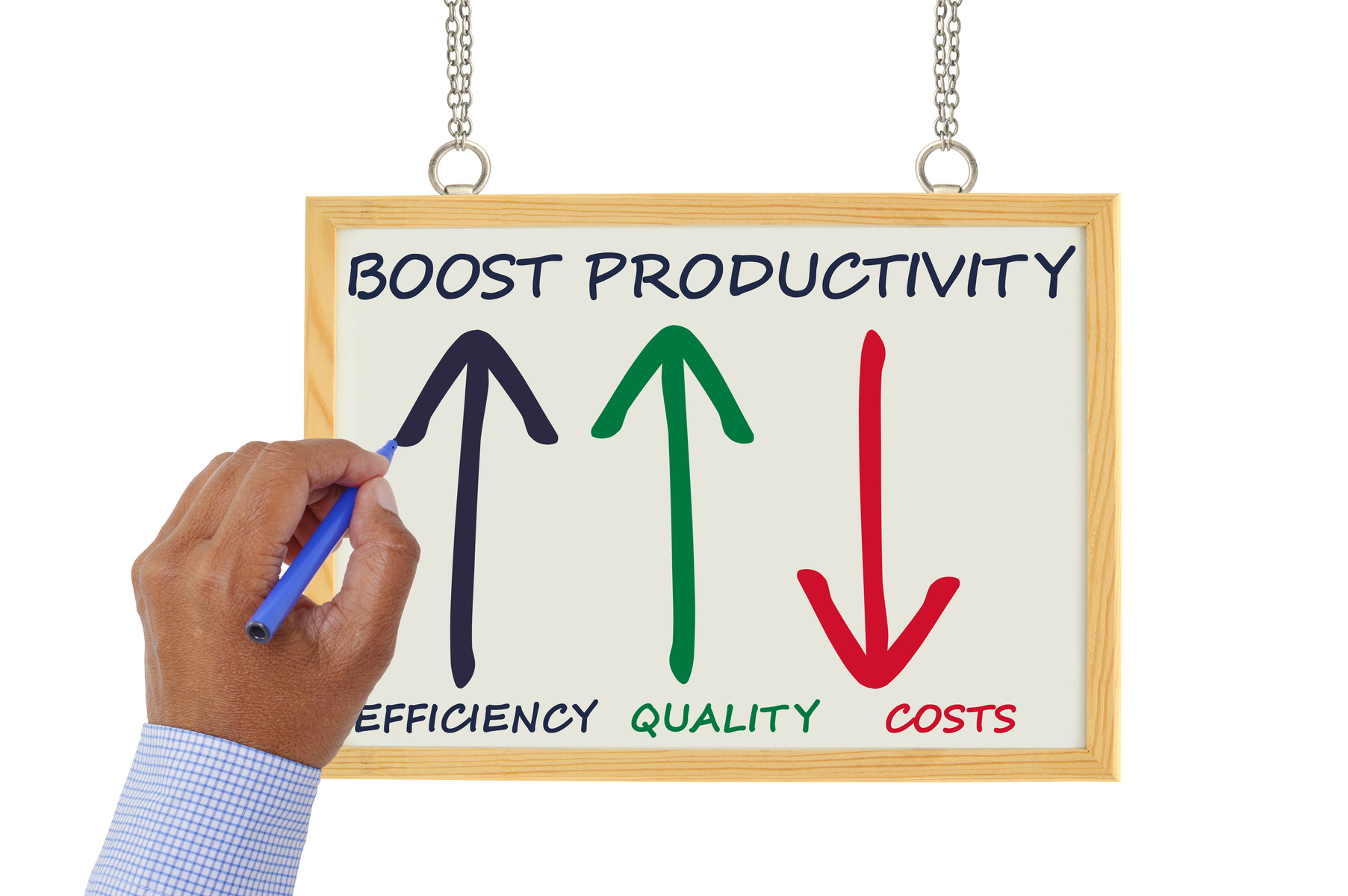 Productivity performance, or lack of, is the challenge facing us, our economy and quality of life.
Australia, according to the ABS reports while there was a 0.2% increase in GDP for the March quarter with a 1.3% increase on a year-to-year basis, indicates a slower pace of growth. Of concern, as highlighted by the Productivity Commission, is labour productivity. Labour productivity since the COVID pandemic has stagnated and in some sectors has seen a decline.
Lets investigate! What are the problems! What are the solutions?
To find answers, a roundtable meeting is planned to bring leaders together. In the words of Prime Minister Albanese, living standards will be central to discussions, ‘how to tackle stagnating productivity and propel Australia into a stronger future.’
At the grass-roots level, what does Productivity performance and challenges look like for SME’s Businesses? More importantly, what are the answers to overcome these challenges?
You may have experienced these.
Workplace Productivity challenges include:
-
Employee disengagement
-
Poor communication
-
Time management is lacking
-
Inadequate training
-
Overwork and burnout
-
Technology barriers
-
Inefficient processes & systems
-
Regulation barriers
What supports Productivity?
-
Improved Task & Time Management
-
Staff satisfaction
-
Workforce skilling, training & recognition
-
Technological advances
-
Government initiatives
7 Strategies & Solutions to Tackle Productivity Problems
 Your Accounting Partner
 Your Management Accounting Partner
 Your Expansion Engineer
 Your Special Projects Partner